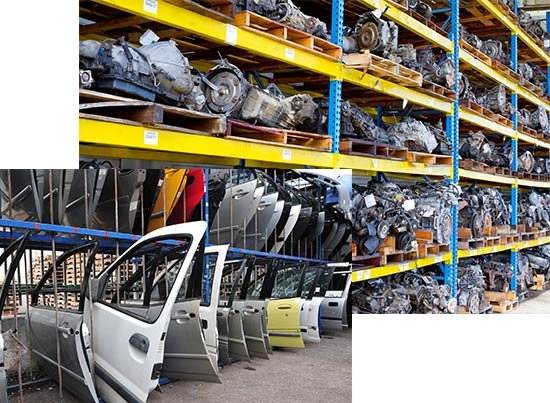
When your vehicle needs a replacement part, choosing between a used auto part and a new auto part can make a significant difference in both cost and availability. While new parts may seem like the obvious choice, quality used auto parts can provide an affordable and practical alternative for many repairs.
In this guide, we’ll compare used and new
auto parts, explain the advantages and considerations of each option, and help you decide which choice may be right for your vehicle.
What Are Used Auto Parts?
Used auto parts are components that have been removed from another vehicle and inspected for resale or reuse. Depending on the part and its condition, a used component can be an affordable replacement for a damaged or worn-out part.
Used parts can include engines, transmissions, doors, hoods, bumpers, lights, mirrors, wheels, suspension components, electrical parts, and many other vehicle components. The availability of a specific part will depend on the vehicle’s make, model, year, and the condition of the part.
For vehicle owners trying to control repair costs, quality used auto parts can offer a practical alternative to buying brand-new components. They can also be useful when a particular original-equipment part is no longer readily available through traditional parts suppliers.
What Are New Auto Parts?
New auto parts are components manufactured specifically as replacement parts. They are generally unused and may come directly from the vehicle manufacturer or an aftermarket parts manufacturer.
New parts can be a good choice when a vehicle requires a critical component, when a specific used part is difficult to find, or when the owner wants the latest available replacement. Depending on the vehicle and part, however, new components can cost considerably more than comparable used parts.
The right choice depends on the type of repair, the availability of the part, the vehicle’s age, your budget, and the condition of the available replacement.
Used Auto Parts vs. New Auto Parts: Key Differences
The biggest differences between used and new auto parts are cost, availability, condition, and warranty coverage. Understanding these factors can help you make a more informed decision before purchasing a replacement part.
Cost: Used auto parts are often less expensive than new replacement parts. This can make them particularly attractive when repairing an older vehicle or when keeping repair costs within a specific budget.
Availability: Used parts can sometimes be easier to find for older vehicles or discontinued models. Auto recyclers and used-parts suppliers may have components that are no longer commonly stocked as new parts.
Condition: A used part has previously been installed on another vehicle, so its condition should be considered before purchase. Reputable suppliers should provide accurate information about the part and its condition.
Warranty: Warranty coverage varies by supplier and by part. Always check the applicable warranty or return terms before purchasing a used or rebuilt component.
Fitment: Whether you buy used or new, it is important to confirm that the part is compatible with your exact vehicle. Make, model, year, engine, transmission, and other specifications may affect compatibility.
When Should You Consider Used Auto Parts?
Used auto parts can be worth considering when you want to reduce repair costs, need a replacement for an older vehicle, or are looking for a part that may be difficult to find new.
They can also be a practical option for body panels, exterior components, interior parts, wheels, mirrors, lights, and many mechanical components, depending on their condition and compatibility.
Before purchasing, make sure you know the exact part you need and provide accurate vehicle information. Asking about the part’s condition, compatibility, warranty, and return policy can help you make a better purchasing decision.
How to Choose Quality Used Auto Parts
Buying a used auto part requires a little more research than simply choosing the lowest price. The goal is to find a part that is compatible with your vehicle and in suitable condition for the intended repair.
Check the Vehicle Information
Before ordering a part, have the vehicle’s year, make, model, engine, and other relevant specifications available. Depending on the component, the VIN or original part number may also help confirm compatibility.
Ask About the Part’s Condition
Find out whether the part has been inspected and ask about its overall condition. For mechanical and electrical components, it is especially important to understand what has been checked before the part is sold.
Confirm the Part Number
When possible, compare the part number on your existing component with the replacement part. This can help reduce the risk of ordering an incompatible component.
Check the Warranty and Return Policy
Always review the supplier’s warranty and return terms before purchasing. Different parts may have different warranty conditions, so make sure you understand what is covered.
Compare the Total Cost
Don’t compare prices alone. Consider the part’s condition, availability, warranty, shipping, and installation costs when deciding which replacement option provides the best overall value.
Benefits of Choosing Used Auto Parts
There are several reasons vehicle owners consider used auto parts when completing a repair.
- Potential cost savings: Used parts can cost less than comparable new replacements.
- Availability: Used parts can be a useful option for older or discontinued vehicles.
- Original equipment components: Depending on the source, you may be able to find an original component removed from another vehicle.
- More repair options: A used part can provide another option when a new replacement is expensive or difficult to locate.
- Useful for older vehicles: When the value of a vehicle is limited, a quality used part may make more financial sense than an expensive new component.
When Are New Auto Parts the Better Choice?
New auto parts may be the better choice in certain situations. For example, you may prefer a new component when a used replacement is unavailable, when you need a specific aftermarket upgrade, or when the part is particularly important to the vehicle’s operation and you want a new replacement.
The decision should ultimately be based on the specific part, your vehicle, your budget, availability, and the warranty or support offered with the replacement.
For many repairs, there is no single answer that applies to every vehicle. Comparing the available options is the best way to determine which part makes sense for your situation.
How Hegwood Auto Parts Can Help
Finding the right replacement part can make a big difference in the cost and success of a vehicle repair. Hegwood Auto Parts provides used and rebuilt auto parts for customers looking for practical replacement options.
When searching for a part, provide as much information about your vehicle as possible, including the year, make, model, engine, and part number when available. This information can help make the parts-search process easier and improve the chances of finding a compatible replacement.
Whether you need a replacement engine component, body part, transmission-related component, electrical part, or another vehicle part, comparing available options can help you find the right solution for your repair.
Frequently Asked Questions About Used Auto Parts
Are used auto parts worth buying?
Used auto parts can be a cost-effective option when the part is compatible with your vehicle and is in suitable condition. Always check the part’s condition, compatibility, warranty, and return policy before purchasing.
Are used auto parts cheaper than new parts?
In many cases, used auto parts cost less than comparable new replacement parts. The actual price depends on the specific part, vehicle, condition, availability, and supplier.
How do I know if a used auto part will fit my vehicle?
Provide the vehicle’s year, make, model, engine, VIN, or original part number when available. These details can help verify compatibility before purchasing.
Do used auto parts come with a warranty?
Warranty coverage depends on the supplier and the specific part. Always check the warranty terms before completing your purchase.
Should I buy used or new auto parts?
There is no single answer for every repair. Consider the part’s price, condition, availability, compatibility, warranty, and the age and value of your vehicle before deciding.
Final Thoughts
Choosing between used and new auto parts comes down to your vehicle, the specific replacement part, your budget, and what is available. Used auto parts can provide an affordable alternative for many repairs, while new parts may be preferable in situations where a new replacement is readily available or specifically required.
The most important step is to make sure the replacement part is compatible with your vehicle and that you understand its condition, warranty, and return terms before purchasing.
If you’re looking for used or rebuilt auto parts, Hegwood Auto Parts can help you explore available replacement options for your vehicle.